


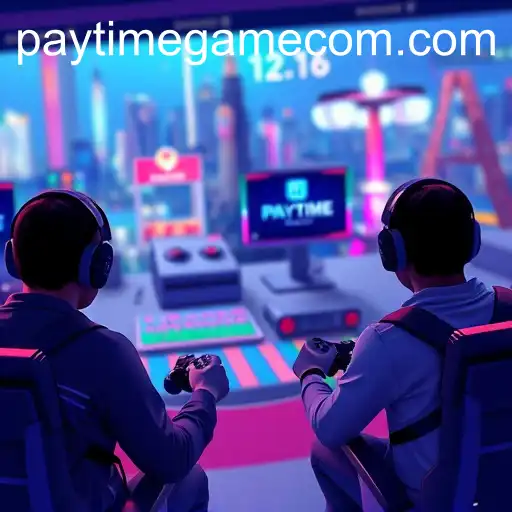
Exploring the influence of paytime games in 2026, and analyzing the shifting landscape of online gaming platforms.
In the vibrant landscape of 2026, "paytime games" has emerged as a pivotal keyword, redefining the contours of the online gaming industry. This term represents not only the literal time spent by players in engaging with gaming content but also signifies the economic model wherein time translates into monetary value, either through direct payment or via advertising revenue models.
As the gaming industry continues its explosive growth, these dynamics are shaping the strategies of developers and designers. With a renewed focus on creating immersive, engaging experiences, games are no longer just a pastime but a burgeoning sector with significant economic impact. "Paytime games" captures the shift towards experiences where players' time is leveraged as a core component of profitability, and this reflects broader trends seen in industries relying on digital engagement models.
The rise of "paytime games" coincides with technological advancements in virtual reality (VR) and augmented reality (AR), which have transformed player experiences. Enhanced realism and interactivity levels capture more player attention and extend play sessions, providing developers with more options to monetize these extended play periods. As games integrate more with VR and AR, they require sophisticated time-based engagement strategies to maintain player interest, and "paytime games" becomes an apt descriptor of these evolving practices.
Moreover, the global growth in internet accessibility and smartphone penetration has expanded the reach of online gaming platforms. These platforms increasingly cater to a diverse, global audience, leading to innovative monetization strategies based on local market trends. Game companies are leveraging "paytime games" by tailoring content to local audiences, offering culturally relevant experiences that draw in players and keep them engaged longer.
The industry's dynamics in 2026 highlight a future teetering on innovation and adaptability. Commentators and industry specialists closely monitor these shifts, identifying "paytime games" as a trend to watch. With an ever-growing gamer base and technological possibilities expanding, the convergence of gaming with paytime models suggests a promising yet complex future for the industry.
In conclusion, "paytime games" encapsulate a time where gaming merges with economic and technological strategies to deliver value. As 2026 unfolds, the gaming industry remains a dynamic frontier for digital creativity and business innovation, driven by the evolving ways in which players interact with and value their game experiences.

